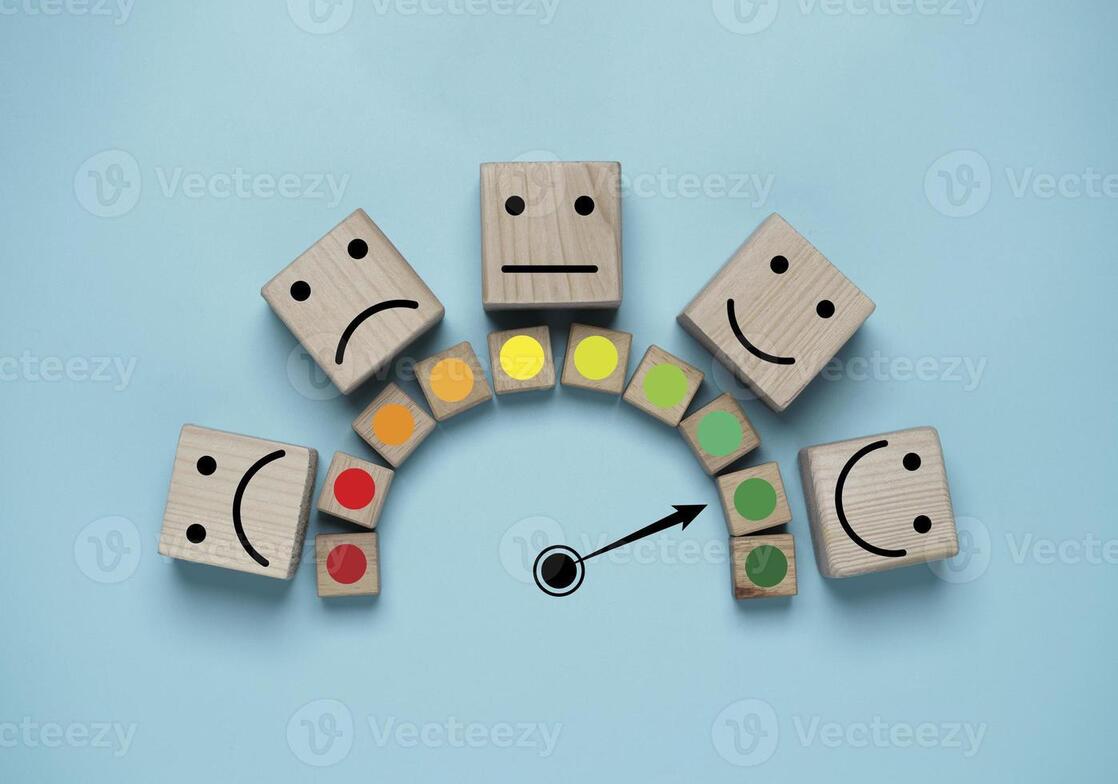
How Do i Sit With My Emotions?
Emotions can often be difficult to understand. Some emotions may feel easier to handle than others, while certain emotions may feel more accepted or comfortable to express. At times, we might even feel like we don't experience enough emotions or that we feel things too deeply. Emotions are an important part of being human. They can provide us with information about what we need, what matters to us, and how we are responding to the world around us. Because of this, it is important to give our emotions space rather than trying to suppress or avoid them when they become uncomfortable.
Sometimes, we grow up being told not to cry, to "toughen up," or that our emotions are too much. Over time, we may learn to bottle up our emotions or push them aside because we don't want to feel overwhelmed or burden others. While this may feel helpful in the moment, it can make it more difficult to understand and process our emotions in the future.
So, what can you do if you've been bottling up your emotions and would like to develop a better understanding of what you're feeling?
1. Notice when emotions come up.
Start by paying attention to moments when you notice a change in your mood or body. You can ask yourself, What am I feeling right now? Are you able to put a name to the emotion? You don't have to get it exactly right. Simply noticing and acknowledging what you are feeling is a good place to start.
2. Use an emotions wheel.
If you're having trouble finding the words to describe what you're feeling, an emotions wheel can be a helpful tool. Sometimes we know that we feel "bad" or "off," but we aren't sure exactly what emotion is underneath that feeling. An emotions wheel can help you identify more specific emotions and better understand what may be going on internally. Apps like “How we feel” can also be helpful to use.
3. Give yourself space to feel.
Once you've identified an emotion, try giving yourself permission to experience it rather than immediately pushing it away or distracting yourself from it.
One activity you can practice is sitting with an emotion for 90 seconds. Find a comfortable and quiet space, set a timer for 90 seconds, and notice what you are experiencing without judging or trying to change it. You can imagine the emotion moving through you like a wave. Notice where you feel it in your body, what thoughts come up, and how the feeling changes over time.
You may find that emotions can feel uncomfortable without being something you need to fear or immediately get rid of. Giving our emotions space doesn't mean letting them control us. It means allowing ourselves to acknowledge what we're feeling and learning how to respond to it without feeling shame and with understanding and compassion for our emotions.
If you would like more information about emotional granularity and about how it can help you sit with your emotions. Click HERE to read more about it!
.jpg)
.jpg)
.jpg)